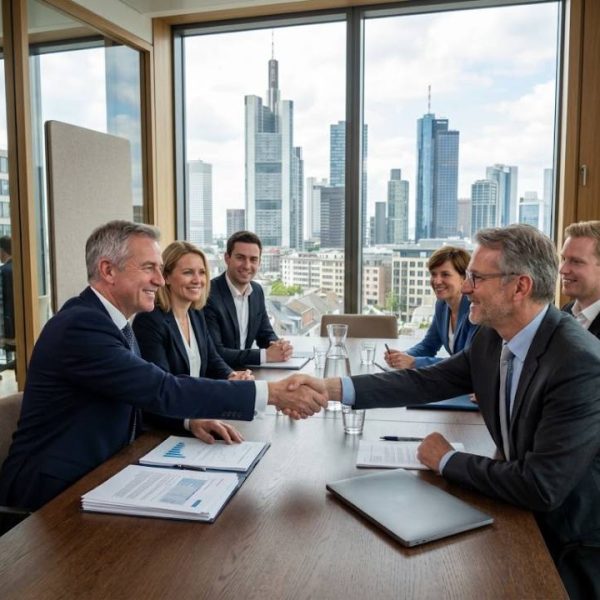
For British exporters, the German-speaking region is hard to ignore. Germany is one of the UK's largest trading partners, and Austria and Switzerland add wealthy, stable markets on top. Together they are often called DACH, after the country codes for Germany, Austria and Switzerland.
Yet many UK companies still approach these markets with English-only websites, brochures and contracts. That can work for a first conversation. It rarely works for winning and keeping clients.
UK firms that want to be taken seriously in these markets usually start by working with dedicated german translation services instead of treating language as a last-minute task. A specialist provider handles websites, tenders and contracts with consistent terminology across every document. That consistency matters because German buyers compare details carefully before signing anything. Choosing an experienced partner early makes the whole market entry smoother and far less costly to fix later.
Why English is not enough in DACH
It is true that many German professionals speak excellent English. Senior managers in international firms may be perfectly comfortable negotiating in it. But purchasing decisions are rarely made by one person. Technical teams, legal departments, procurement officers and end users all read the documents, and many of them prefer, or require, German.
There is also a cultural signal. Offering materials in German shows commitment to the market. It tells a potential partner that you plan to stay, support them properly and take their standards seriously. Resources from Germany Trade & Invest regularly stress how much German buyers value thorough, precise information.
What typically needs translating
The list depends on the sector, but a few items come up again and again:
- Website pages, especially product and service descriptions
- Technical specifications, manuals and safety information
- Tender documents and proposals
- Contracts, terms and conditions and data protection notices
- Marketing campaigns, case studies and presentations
Some of these carry legal weight. Product safety information and consumer terms may need to follow local rules. Contracts must be unambiguous. This is where professional german translation services make a measurable difference, combining language skill with knowledge of German business and legal terminology.
Precision matters more than style
German business writing tends to be detailed and formal. A British sales page full of playful idioms may sound vague when translated literally. Good translators do not just convert words. They adapt tone, restructure sentences and sometimes add the technical detail German readers expect.
A translation that sounds natural to a German engineer will do more for sales than a clever English slogan.
Compound nouns, formal address with "Sie", and precise units and standards all need attention. A single wrong term in a machine manual can cause support calls, returns or, in the worst case, safety issues.
Switzerland is not just German
Companies expanding into Switzerland often discover the country has four national languages. German dominates in Zurich and Basel, but French is the main language in Geneva and Lausanne, and Italian in Ticino. Swiss German also differs from standard German in vocabulary and spelling, for example the absence of the letter ß.
For a serious Swiss launch, businesses usually need both German and French versions. Professional english to french translation services ensure the French-speaking cantons receive materials of the same quality as the German-speaking ones.
Managing multilingual content over time
The first translation project is only the beginning. Websites change, products are updated and new campaigns launch every quarter. Without a system, companies end up with outdated German pages, inconsistent terminology and files scattered across inboxes.
Many growing exporters now use an online translation management system to keep everything in one place. It tracks which content has changed, sends only new text for translation, stores approved terminology and lets reviewers in Germany or Switzerland approve texts before publication. The result is faster updates and lower costs over time.
Certified documents for legal and official use
Some documents need more than a good translation. Company registration papers, court documents, certificates and official correspondence may require certified or sworn translations to be accepted by German authorities. Requirements vary, so it is wise to check with the receiving institution before ordering.
Working with a provider that offers both commercial and certified translations simplifies life. One partner can handle marketing texts, technical manuals and official paperwork, keeping terminology consistent across all of them.
Austria has its own flavour
Austria is sometimes treated as a smaller copy of Germany, but local buyers notice when a text ignores their preferences. Some everyday words differ, for example for months, food and administrative terms. Legal references also change, because Austrian law is not the same as German law. A translator familiar with Austrian usage can adjust these details so that a Vienna client feels addressed directly rather than as an afterthought.
Tips for UK firms entering DACH
- Start with the pages and documents buyers actually read before a first meeting.
- Build a German glossary of your product and brand terms early.
- Ask native speakers in the target market to review key materials.
- Localise units, dates, currency and legal references, not just words.
- Plan for updates, not just a one-off translation.
The payoff
British government resources such as great.gov.uk encourage exporters to research each market carefully, and language is part of that research. Companies that invest in quality German content usually find that conversations move faster, trust builds sooner and fewer misunderstandings reach the contract stage.
The DACH region rewards businesses that show care and precision. Speaking to clients in their own language is one of the clearest ways to demonstrate both.
DACH buyers read credibility differently. Through marketing translation services, UK firms adapt campaigns, case studies and presentations so German, Austrian and Swiss audiences see evidence phrased in familiar business terms. That localisation makes first meetings warmer and negotiations shorter, because prospects trust a supplier who speaks their language properly. Precision, in this region, is a form of courtesy.